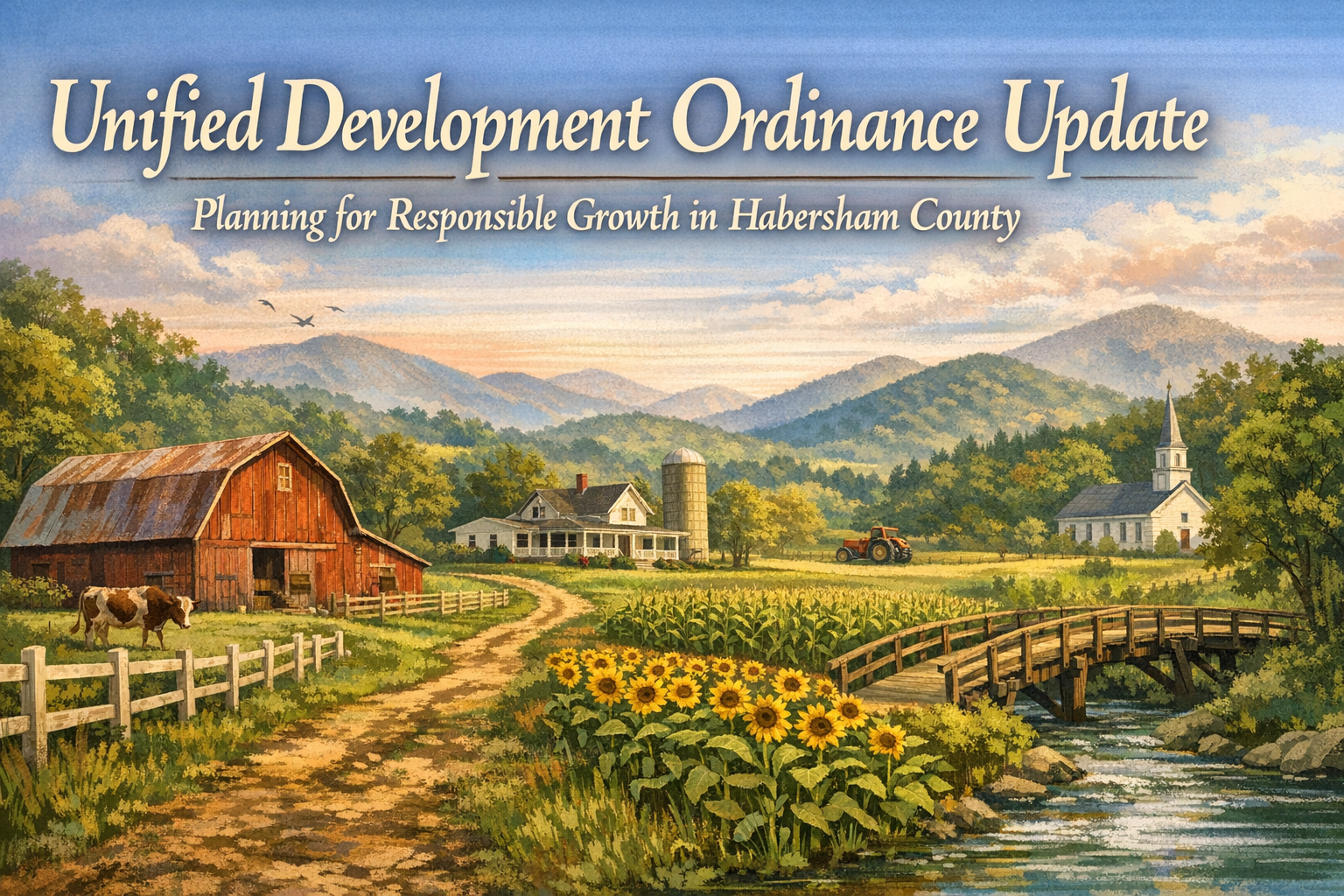
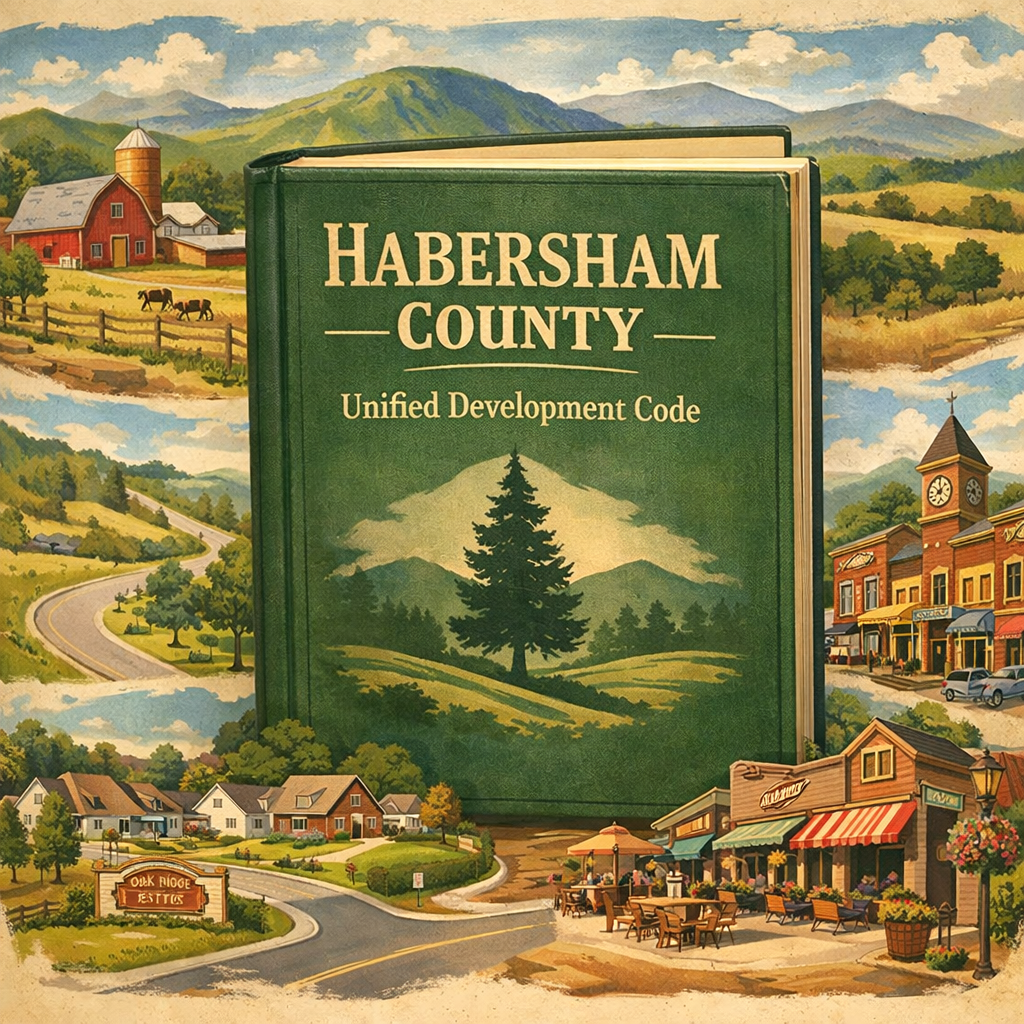
Habersham County is developing a new Unified Development Ordinance (UDO) to replace the current Comprehensive Land Development Code (CLDO). This effort began in 2024 and is being completed with the assistance of a professional planning consultant.
Over the past several years, the County has received substantial feedback from residents regarding development patterns, including concerns about large-scale residential projects, strain on infrastructure and public services, traffic and safety issues, and impacts on the County’s rural character. This community input was a key factor in initiating the Unified Development Ordinance update.
This effort has included extensive public engagement, with multiple community meetings, stakeholder workshops, and outreach events conducted throughout 2024 to gather input from residents, property owners, and community leaders.
Why This Update Is Needed
Habersham County’s current development code was originally adopted in 1992 and has been updated incrementally over time. As a result, the code has become fragmented, difficult to navigate, and not fully aligned with current development challenges.
A consultant review found that:
-
Regulations are not always consistent or clearly organized
-
Some standards do not reflect the County’s Comprehensive Plan or community vision
-
The code can be difficult to administer and enforce
-
Existing regulations do not always ensure development aligns with infrastructure capacity
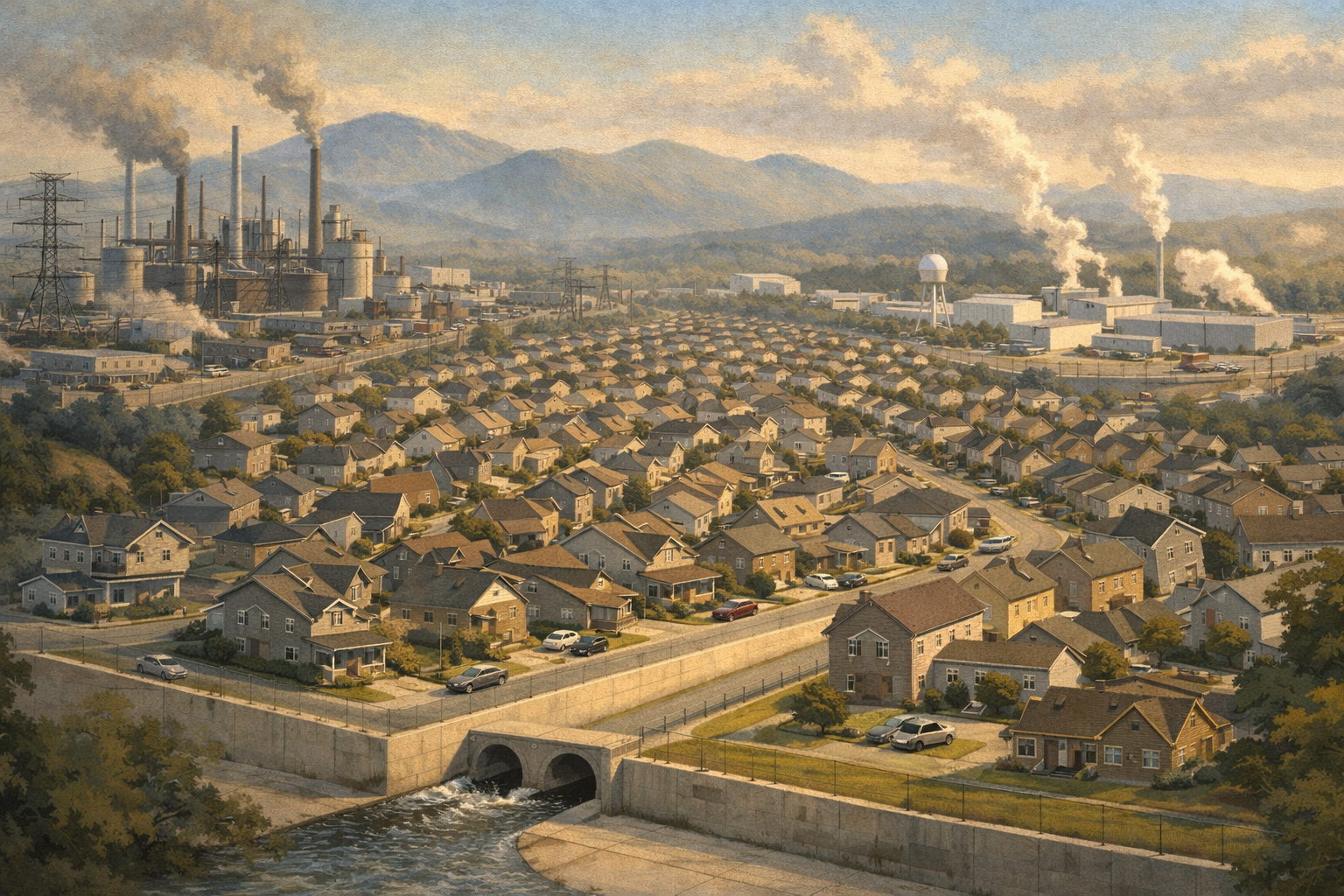
At the same time, the County is experiencing increasing development pressure, particularly:
-
Conversion of large rural and agricultural properties into dense residential developments
-
Increased demand on roads, water systems, and emergency services
-
Traffic and safety concerns on rural roadways
-
Concerns about loss of rural character and quality of life
What the Consultant Found
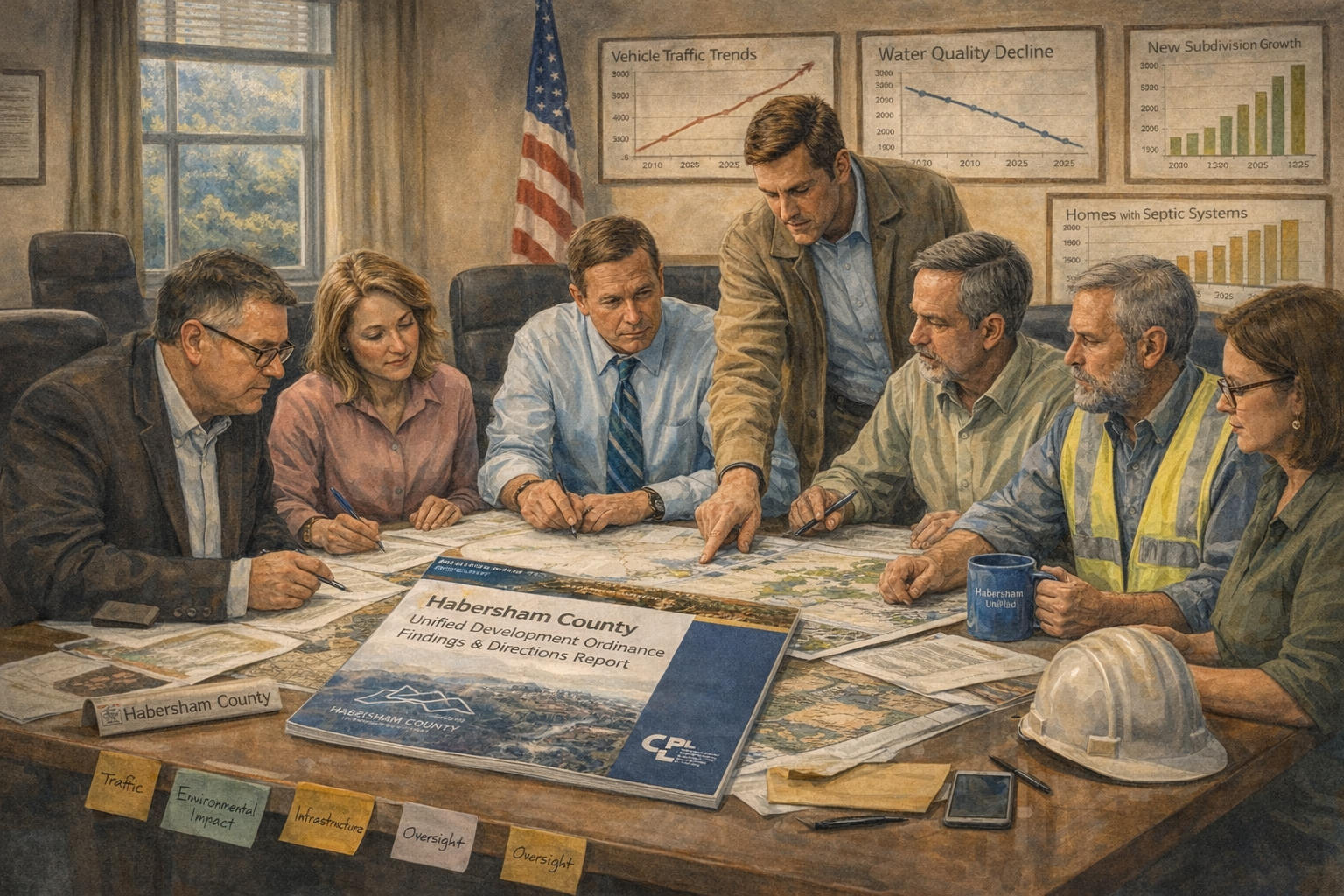
As part of this process, a Findings & Directions Report was completed to identify key issues and opportunities.
Code Structure and Usability Issues
The current code:
-
Is not organized in a way that is easy for users to navigate
-
Contains inconsistencies and redundancies
-
Lacks a clear, unified framework for decision-making
Growth and Development Trends
-
Habersham County has a population of approximately 48,757 residents (2023)
-
The County continues to experience steady growth and housing demand
-
Development patterns are heavily car-dependent, increasing pressure on road systems
Infrastructure and Environmental Challenges
Water and Environmental Concerns
-
Much of the County lies within a major watershed system
-
Local streams are already experiencing water quality impacts
-
Development can increase runoff and long-term environmental impacts
Sewer and Infrastructure Limitations
-
Sewer service is limited to certain areas
-
Some areas rely on septic systems or private infrastructure
-
Growth must be aligned with available infrastructure
Community Priorities Identified
Public input consistently emphasized:
-
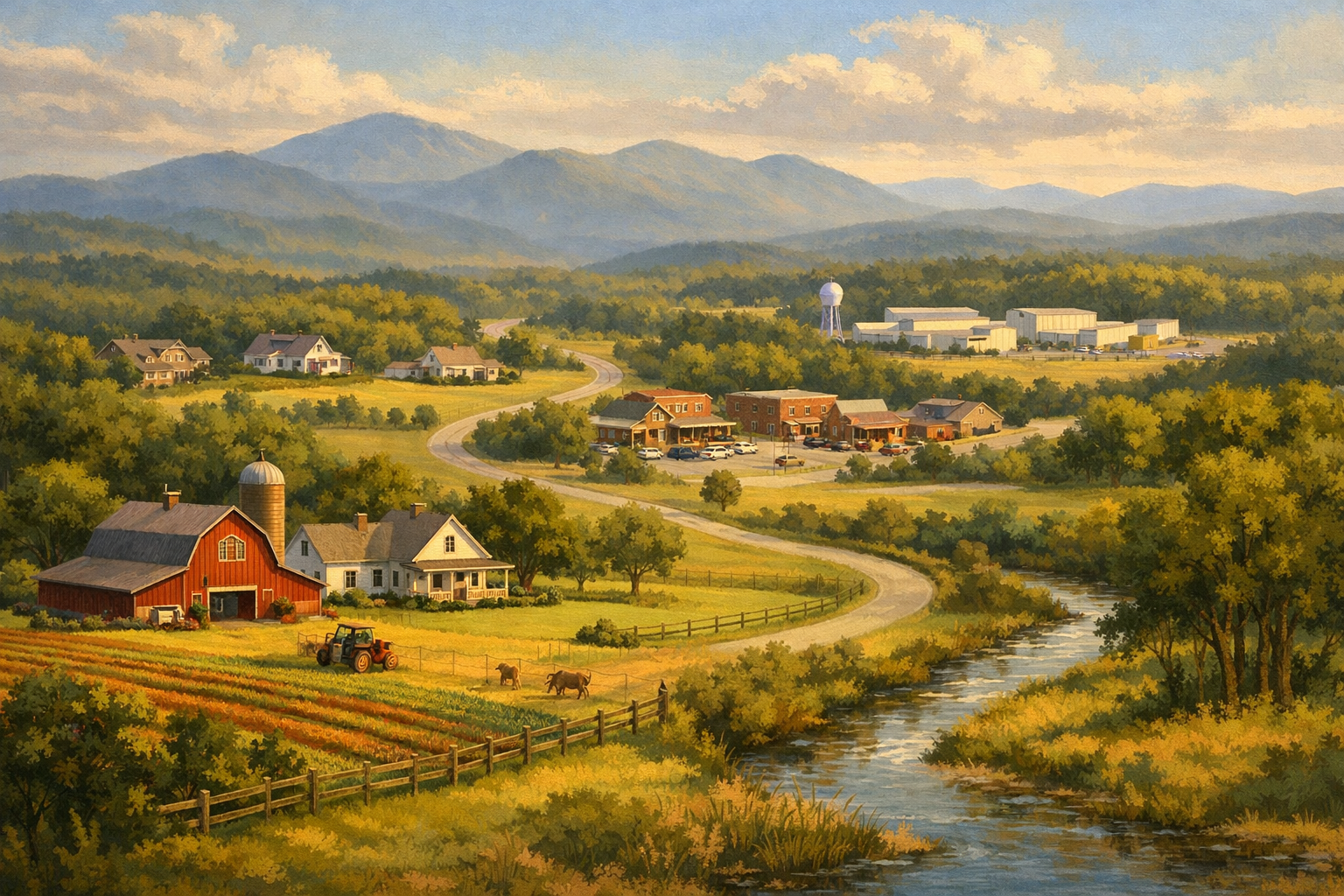
Protecting rural character and scenic landscapes
-
Preserving farmland and open space
-
Supporting economic growth in appropriate locations
-
Providing housing where infrastructure exists
-
Avoiding overdevelopment near sensitive areas
What the New UDO Will Do
Manage Growth Responsibly
-
Direct higher-density development toward areas with infrastructure
-
Ensure development does not outpace public services
Protect Rural Areas
-
Strengthen protections for agricultural land and scenic corridors
-
Encourage appropriate, low-density development
Improve Safety and Connectivity
-
Address traffic and roadway safety
-
Improve access and connectivity between developments
Support Economic Opportunity
-
Provide flexibility for business and job growth
-
Reduce unnecessary barriers to development
Create a Clear, Modern Code
-
Consolidate regulations into one document
-
Improve clarity and usability for everyone
A More Tailored Approach to Zoning
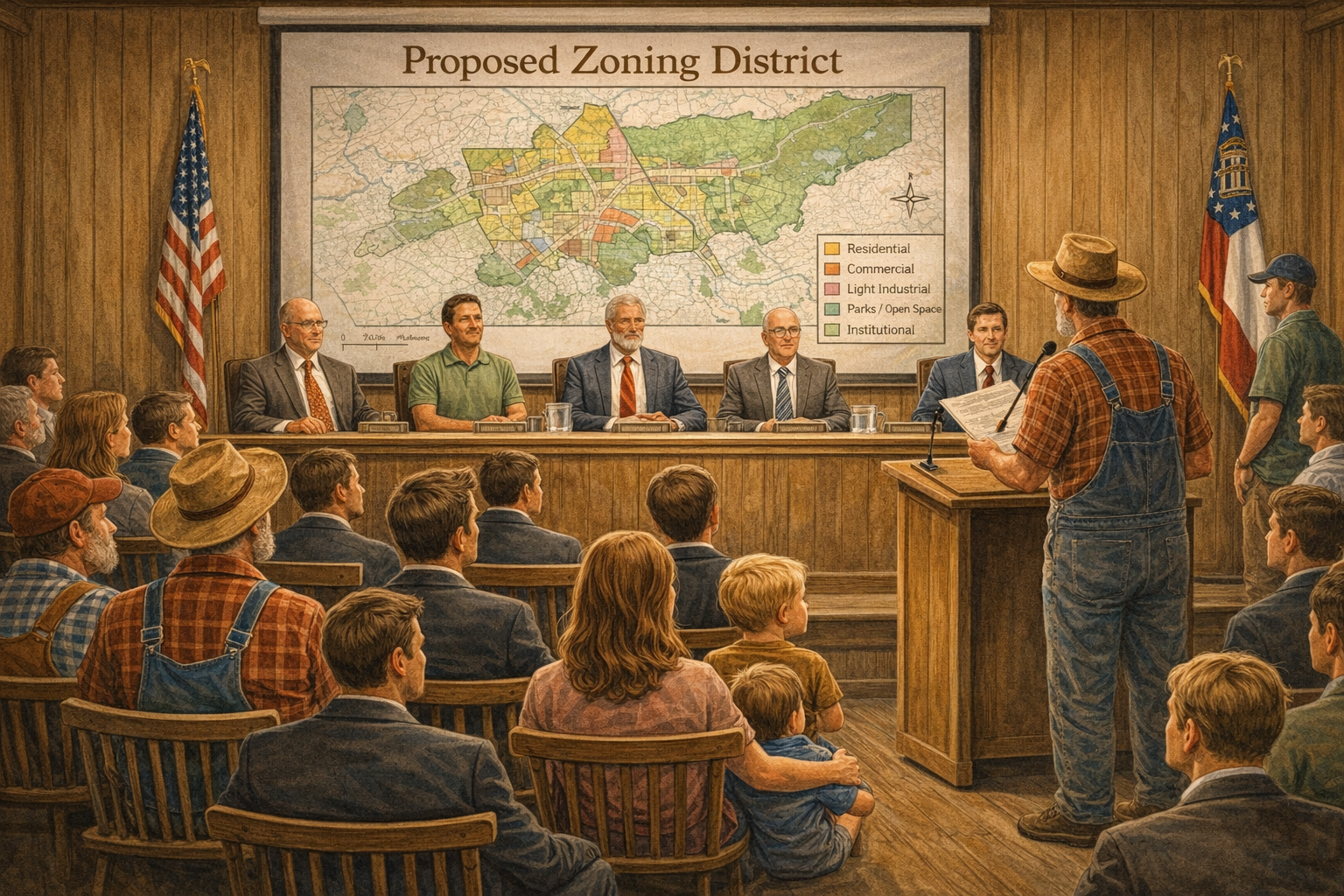
One of the key improvements in the new Unified Development Ordinance is the introduction of additional zoning districts.
Rather than applying broad, one-size-fits-all regulations, the updated ordinance creates more clearly defined zoning categories to better reflect the different types of areas that exist throughout Habersham County—such as rural, residential, commercial, and conservation areas.
This allows the County to:
-
Better match development standards to the character of each area
-
Reduce conflicts between incompatible land uses
-
Provide clearer expectations for property owners and developers
-
Guide growth to appropriate locations while protecting rural and agricultural areas
The goal is not to add unnecessary regulation, but to create a more predictable, consistent, and context-sensitive approach to development.
More zoning districts do not mean more restrictions—they allow for more precise and appropriate standards based on location.
A Balanced Approach to Growth
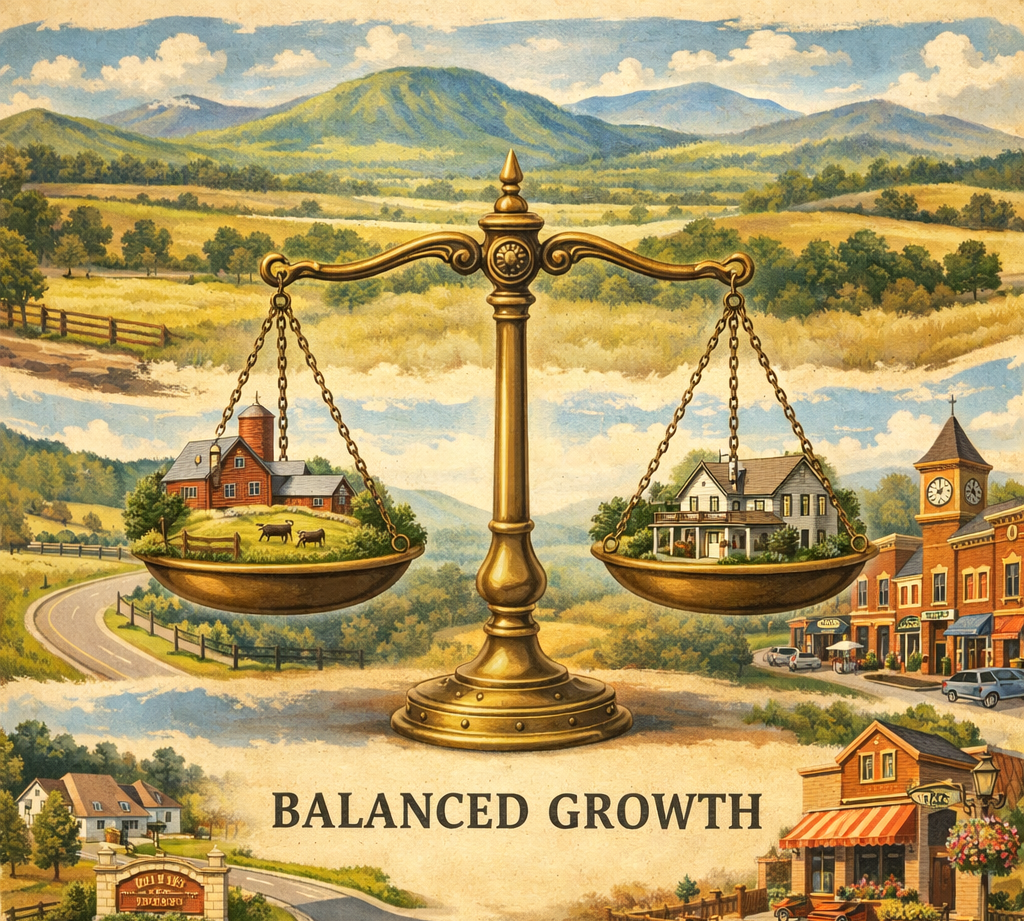
Habersham County is not trying to stop growth—but to manage it responsibly.
The new UDO will:
-
Encourage development where it makes sense
-
Protect areas where growth would cause long-term impacts
-
Ensure development supports—not burdens—our community
Community Input Matters
Public involvement has been a key part of this process from the beginning.
As part of the development of the Unified Development Ordinance, the County and its consultant conducted multiple public meetings, stakeholder workshops, and outreach events throughout 2024 to gather input from residents, property owners, and community leaders. This feedback played a critical role in shaping the draft ordinance.
Residents and stakeholders will continue to have opportunities to:
-
Review draft documents
-
Attend public meetings and hearings
-
Provide feedback prior to adoption
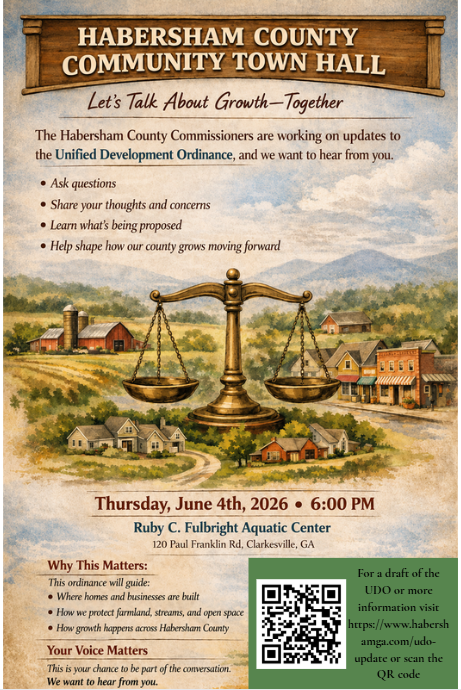
Attend Our Town Hall Meeting!